

Research & Development in Electro-Pneumatics
We develop innovative electro-pneumatic systems at the cutting edge of technology, combining sound theoretical design with practical implementation for powerful, reliable and efficient applications.
Design of Electro-Pneumatic Systems
Development of Embedded Systems
Our range of services includes low-level software development, the development of electronic assemblies and the integration of sensors, electro-pneumatic components and automated systems. We place particular emphasis on stability, real-time capability, operational reliability and seamless integration into existing systems.
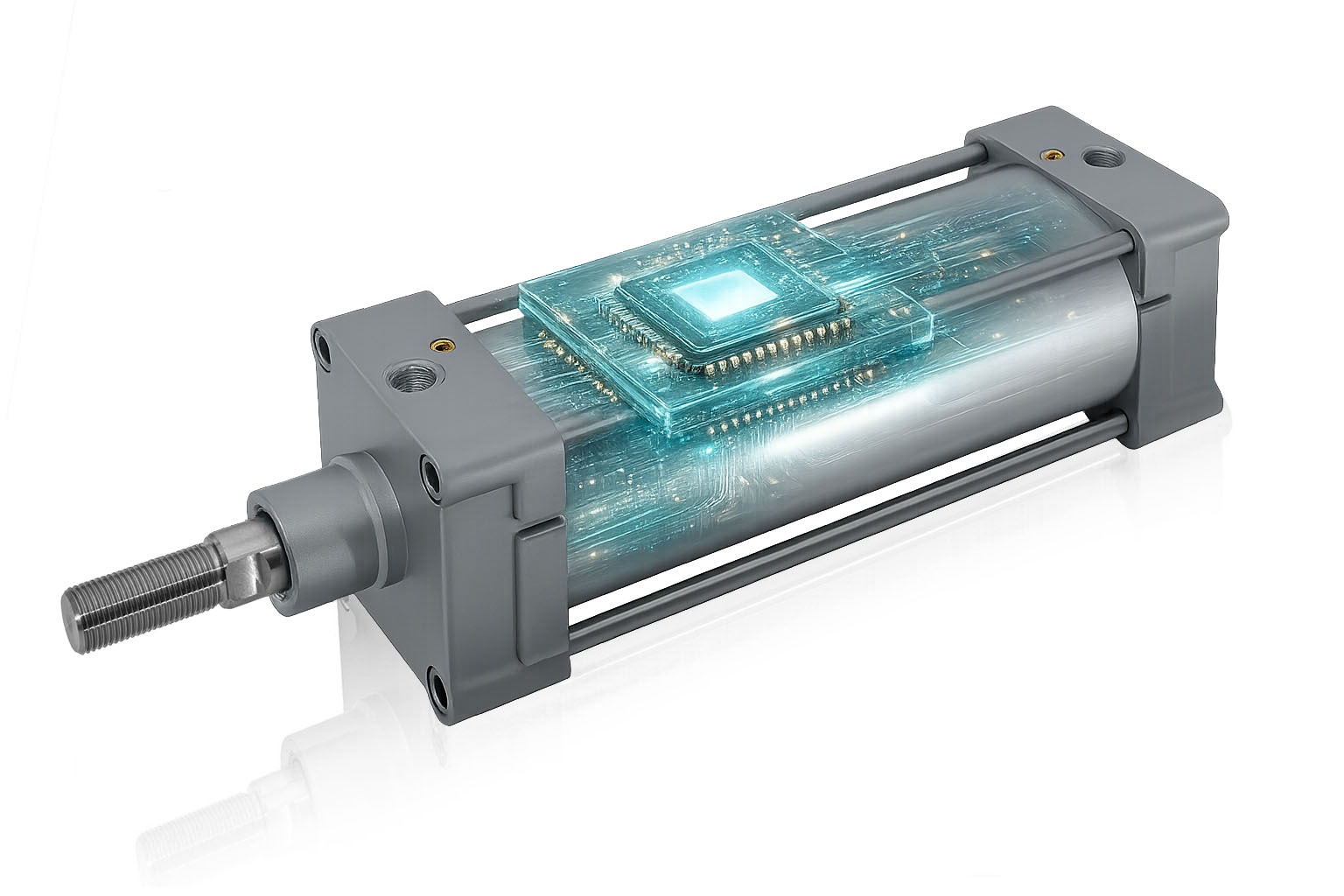
With modern embedded technologies, we make pneumatics smart and lay the foundation for intelligent, connected systems.
Simulations
Finite Element Method (FEM)
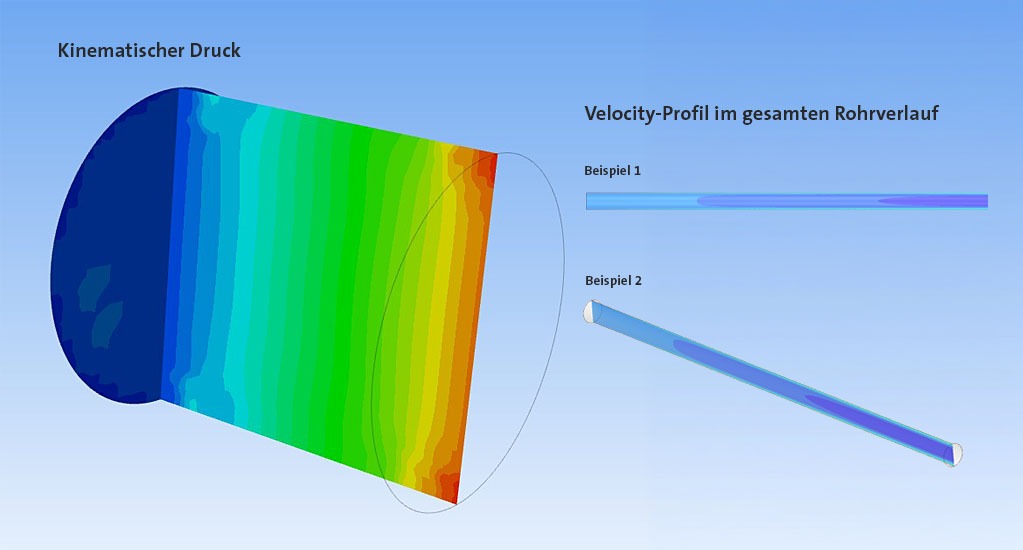
Computational Fluid Dynamics (CFD)
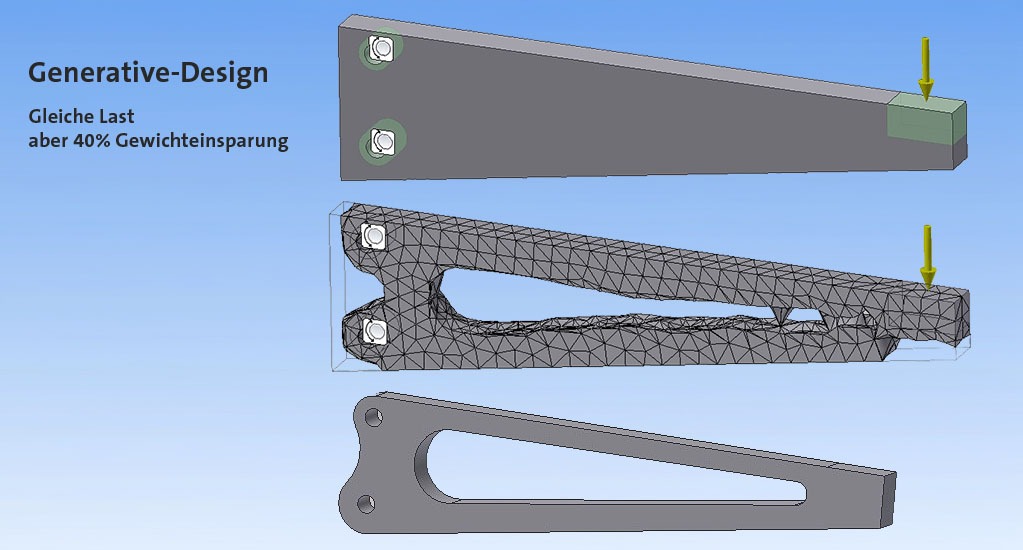
Finite Element Method (FEM)
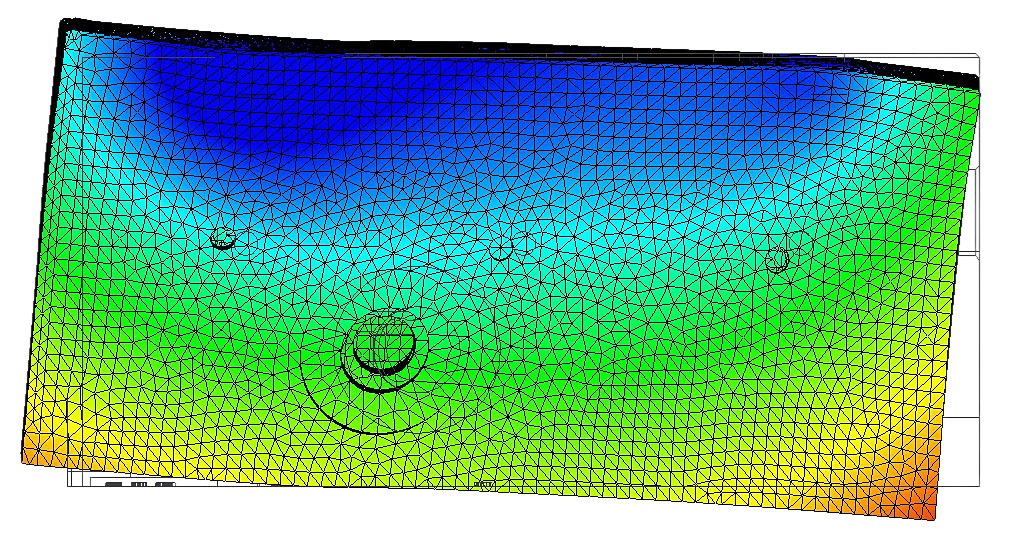
The finite element method (FEM) is a numerical simulation technique for analysing components and physical processes. An object is divided into many small elements in order to precisely calculate properties such as stresses, deformations or temperatures.
FEM is used to optimise and test products before they are manufactured.
Possible FEM Simulations
- Static Stress
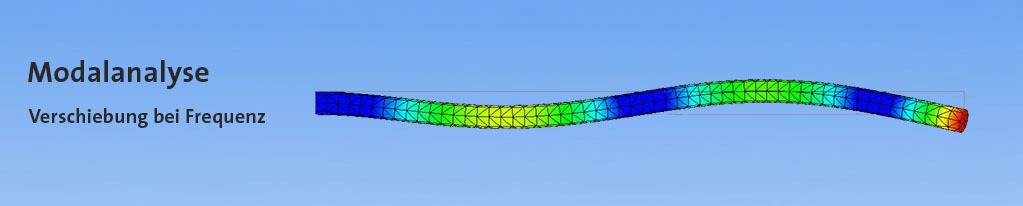
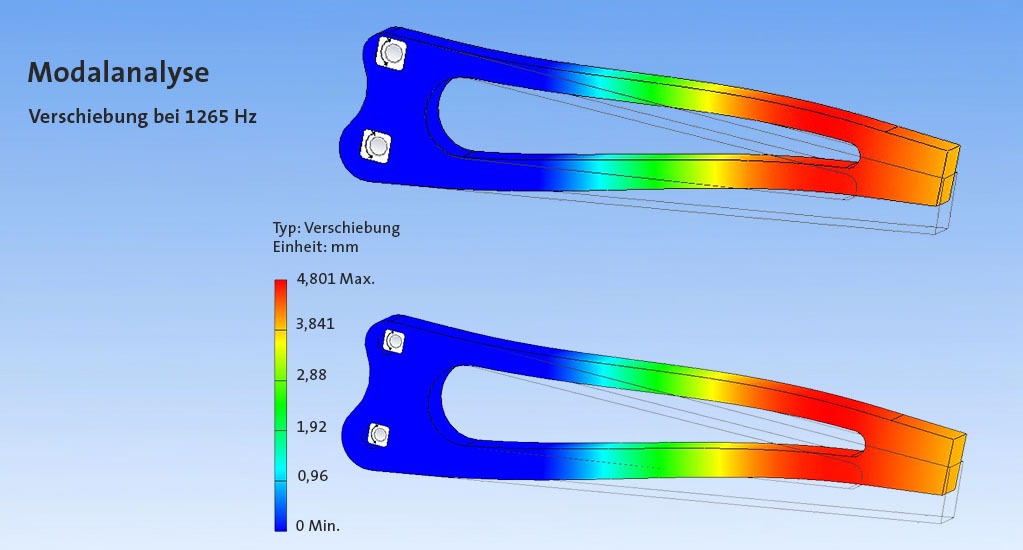
- Modal Frequencies
- Electronics Cooling
- Thermal
- Thermal Stress
- Dynamic Event Simulation
- Shape Optimisation
- Injection Moulding Simulation
Computational Fluid Dynamics (CFD)
This allows products and processes to be developed and optimised efficiently before physical tests are carried out.
Possible CFD Simulations
- Specific Dissipation (w)
- Turbulent Kinetic Energy
- Turbulent Kinematic Viscosity
- Pressure
- Velocity